Explanations
  Textbooks
  Flashcards
  魅影直播 AI
  Notes
Notes  Study Plans
  Study Sets
  Find a degree
  Magazine
 Chapter 21: Aldehydes and Ketones-Nucleophilic Addition
23P
What 1掳 amine and carbonyl compound are needed to prepare each imine?
a.
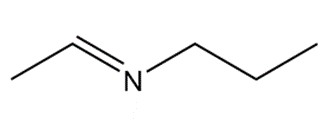
b.
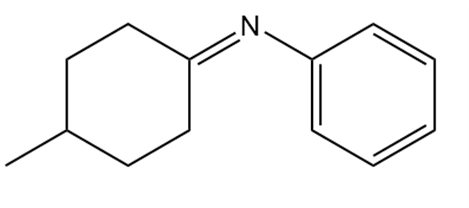
25P
What carbonyl compound and amine are formed by the hydrolysis of each compound?
a.
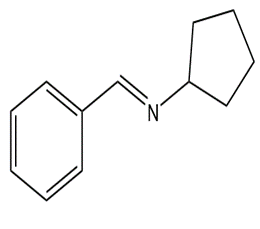
b.
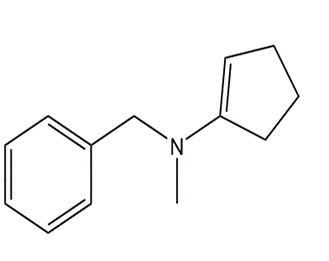
c.
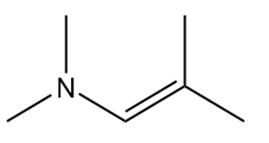
34P
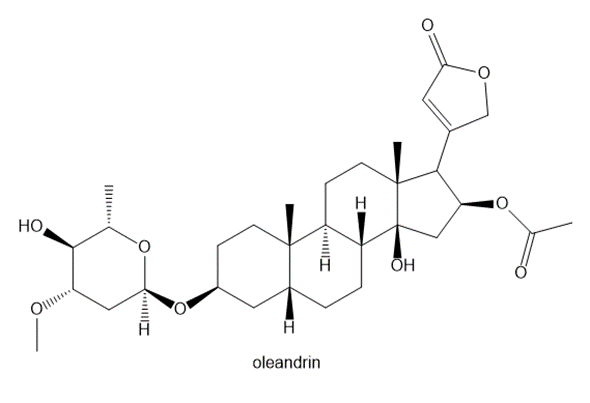
Identify the acetal in oleandrin, and draw the products formed by acid-catalysed hydrolysis of the acetal.
36P
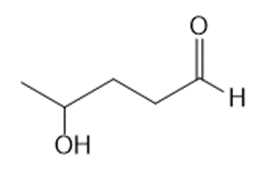
What lactol (cyclic hemiacetal) is formed from intramolecular cyclization of each hydroxy aldehyde?
a.
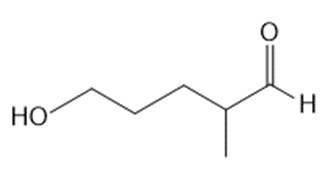
b.
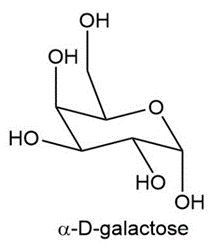
39P
a. How many stereogenic centers are present in -D-galactose?
b. Label the hemiacetal carbon in -D-galactose.
c. Draw the structure of -D-galactose.
d. Draw the structure of the polyhydroxy aldehyde that cyclizes to - and
-D-galactose.
e. From what you learned in Section 21.16B, what product (s) is (are) formed
when -D-galactose is treated with CH3OH and an acid catalyst?
43P
Give the IUPAC name for each compound.
a.
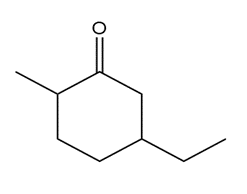
b.
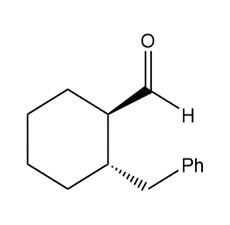
c.
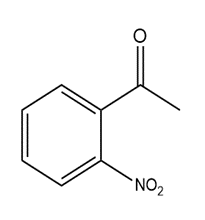
d.
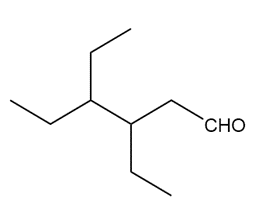
e.
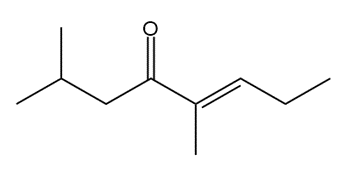
f.
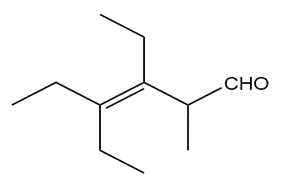
44P
Give the structure corresponding to each name.
a. 2-methyl-3-phenylbutanal
b. 3,3-dimethylcyclohexanecarbaldehyde
c. 3-benzoylcyclopentanone
d. 2-formylcyclopentanone
e. (R)-3-methylheptan-2-one
f. m-acetylbenzaldehyde
g. 2-sec-butylcyclopent-3-enone
h. 5,6-dimethylcyclohex-1-enecarbaldehyde
45P
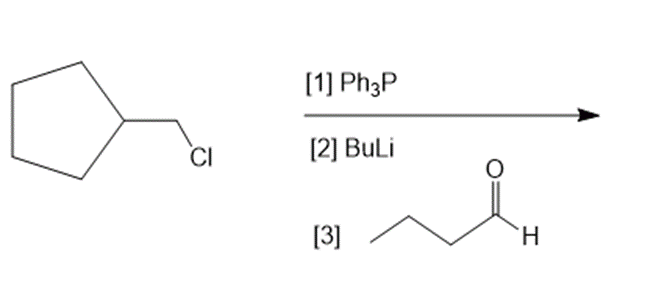
Draw the products formed in each reaction sequence.
a.
b.
47P
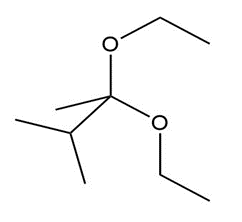
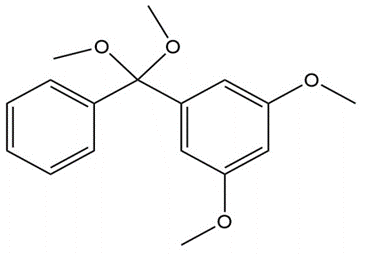
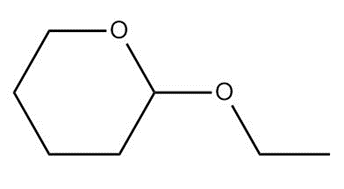
What carbonyl compound and alcohol are formed by hydrolysis of each acetal?
a.
b.
c.
49P
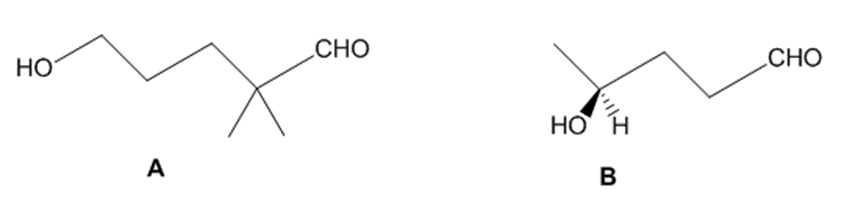
Hydroxy aldehydes A and B readily cyclize to form hemiacetals. Draw the stereoisomersformed in this reaction from both A and B. Explain why this process gives an opticallyinactive product mixture from A, and an optically active product mixture from B.